You're not imagining it. And you're not out of options.
Still foggy? Still getting the headaches?
Still organising your day around symptoms?
CranioSacral Therapy works with the parts of the nervous system that might be keeping all that going. What if it could help?
You had a concussion - or maybe more than one....
(which may or may not mean that you lost consciousness).
70-80% of people recover fine. Which means 20-30% don't. If you've rested and waited and you're still not better you might be experiencing some of these symptoms:
But why? Understanding what's going wrong may help understand why we're saying that CranioSacral Therapy could be worth trying.
Concussion is a whole body event.
Ongoing symptoms after a concussion, or that lead to post-concussion syndrome, isn't just one thing that's wrong. It happens after there have been several systems disrupted at once, and they tend to keep each other going.
Your body: The impact disrupts more than just your head - there can be effects all through the body.
Your neck: the same force that shook your brain went through your neck, and that part often gets missed. The tissues, joints and nerve endings of the upper spine feed into balance, vision, and the sense of where your head is in space. Disrupted, they send subtly wrong signals, and the brain works harder than it should to compensate. Dizziness, headaches, visual disturbance and that maddening cognitive difficulty can all stem from here.
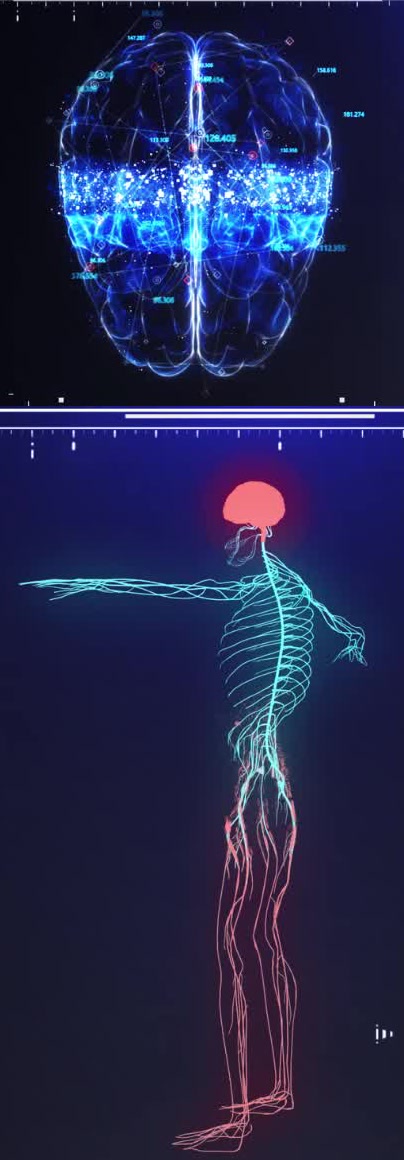
Your nervous system: A concussion isn't simply a bruised brain that needs time to repair. The systems that regulate your energy, your sleep, your mood, and your ability to handle stimulus are not working normally. You often stay in high alert mode and so rest isn't properly restorative.
Sleep and the brain's cleaning: The brain has its own mechanism for clearing metabolic waste - the glymphatic system - which operates primarily during deep sleep. After a concussion, the injury can disrupt sleep... disrupted sleep impairs clearance... accumulated waste worsens symptoms... worsened symptoms disrupt sleep further. Time alone doesn't always break that cycle.
Your ears and eyes, balance and sight: the messages that should pass between them were physically disrupted by the impact, and they haven't recalibrated. The brain compensates for faulty orientation signals, which is why ordinary tasks become disproportionately exhausting, and why the fog so often sits alongside the dizziness and visual sensitivity.
If it's been a while (more than 3 months) and you still have symptoms, you probably don't need more time. What you may need is something to help rebalance and reregulate these systems.
This is where CranioSacral Therapy comes in.
Here's Dan's experience.
Dan Baines, an osteopath, and former professional dancer (seven years with Stomp, including the London 2012 Olympic closing ceremony), scored one point under severe for post-concussion syndrome. He'd had a concussion during a judo match in his late teens, with further concussions and injuries through dance and rugby.
Before the first session, Dan described how the symptoms would build through the day:"the lights start to dim, everything starts to change -and I know that I'm not at my best." There was a constant drag from deep inside the back of his head. He struggled to work comfortably at a treatment couch without it flaring up.
He wanted to be able to treat his clients properly in clinic, have more energy and not be wiped out at the end of the day. Nothing had got him there yet.
What followed across six sessions, in his own words:
-
The deep drag from the back of my head released after session one. And has stayed released
-
I've started sleeping more deeply, which I never knew was an issue until I was sleeping more
-
I've more energy through the day and more capacity for clients in clinic
-
In the third session something changed in my head that felt like a rock moving out of the way in a river… the flow got bigger and bigger and then it just opened up, which feels hugely important
-
My wife noticed that my eyes are more symmetrical; I've noticed that my vision is more accurate
-
I can work over a treatment couch without everything flaring up
-
An emotional piece came up in session five to do with my collarbone - I was able to release some patterns around not"being open to help" which is quite freeing
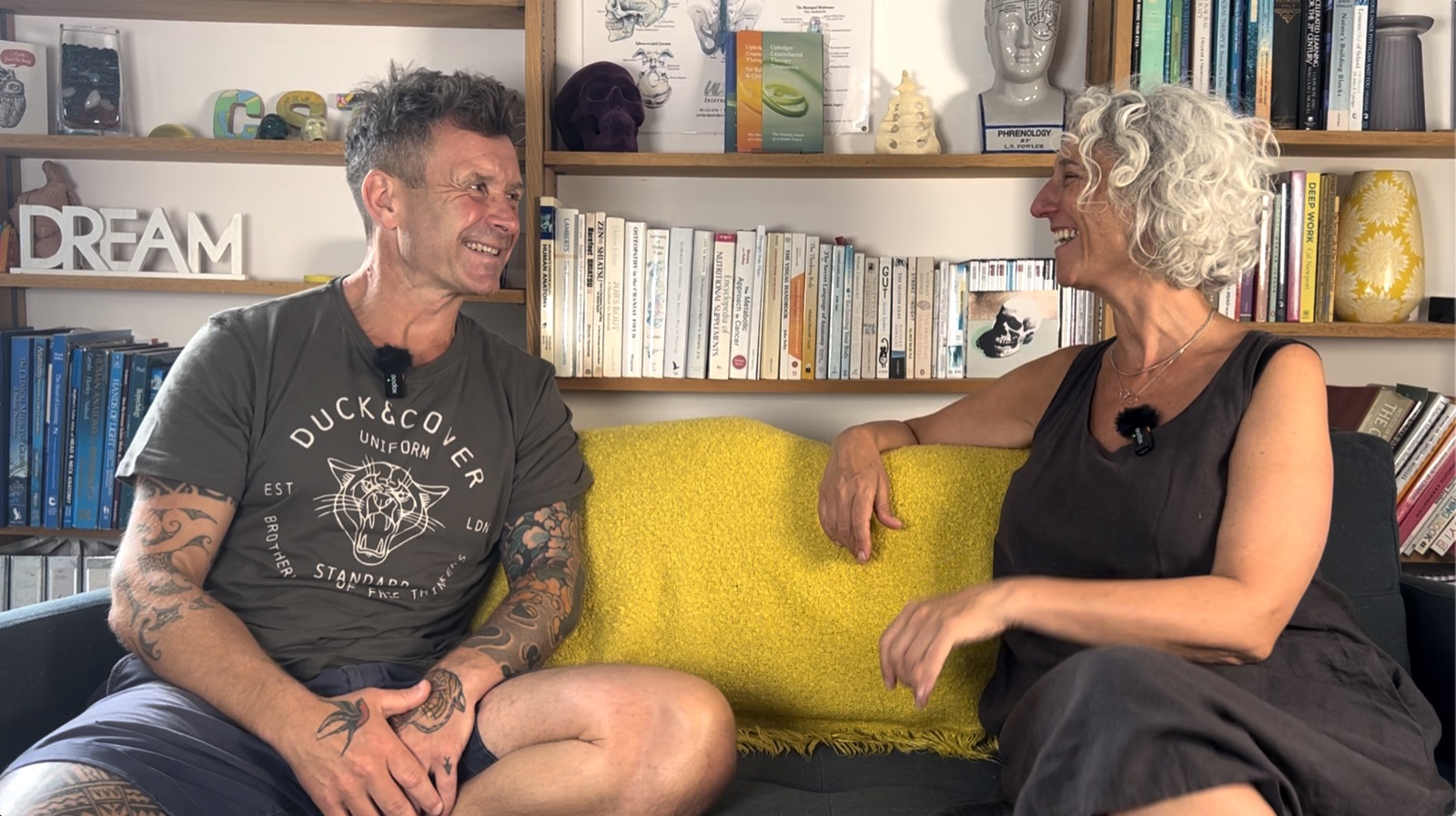
I’m just feeling more comfortable in my body, more comfortable in my head, more comfortable in, yeah, just being. Negotiating the world is easier when it throws stuff up.
Watch the full session conversations on our YouTube channel →
These are Dan's words, from our videos recorded before each treatment session.
He was not a paid participant and was not asked to say anything in particular.
What the research shows
The NFL study
Did you watch the video on the previous page? About the ex NFL players?
Beyond the numbers and the measures and the reports of what was treated and what improved (including improvements in memory, reaction time, chronic pain, cervical range of motion, and sleep -which continued to improve after the programme ended), the thing that stands out to me from those guys is the hope they found. The change in their every day quality of life.
These are their words:
When I learned the therapy has been around for over 35 years, and yet is not a common practice, I was astonished. The treatments were so gentle, yet I'd get up from the table feeling profoundly better.
By the end of the week I was a new man. The pain in my neck, shoulders and hips was gone. I felt a great sense of freedom, like I had shed old clothes that were too tight.
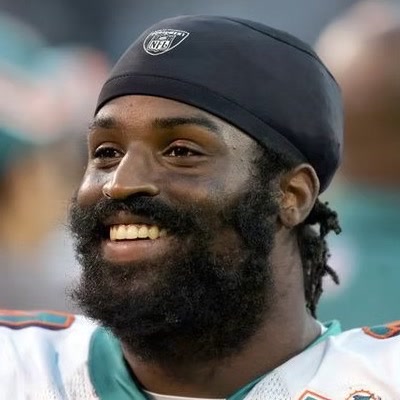
For me, the one thing that became really important was the word hope.
Published findings: Medical Acupuncture, 2017 (DOI: 10.1089/acu.2017.1222).
Pilot study of 11 participants; individual results will vary.
Another example - a published case study
"I just want to be able to sleep."
He was 24. He'd survived six concussions. But for 18 months, he'd barely slept - two or three hours a night at most. His pupils were fixed and dilated. Severe sensitivity to light and sound made ordinary life almost impossible. He had already tried rest, three prescription medications, vestibular rehabilitation, and psychology services. His one stated goal when he arrived for CranioSacral Therapy was simple. He just wanted to be able to sleep.
After his very first session, he slept twelve hours straight. Over eleven sessions across three months, the post-concussion symptom scores tracked steadily downward.
His reflection on 18 months of conventional treatment before finding CST:
"Medications only helped me get through the work day. They did not take away the symptoms. CST has."
Kratz, S.V. (2020). A case report of a collegiate athlete with post-concussion syndrome treated with CranioSacral therapy, lymphatic drainage, and glymphatic techniques. SAGE Open Medical Case Reports.
So what actually is CST?
The approach is hands-on, but nothing like what most people expect from manual therapy. You stay fully clothed, lying on a treatment table. There is no manipulation, no cracking, no force of any kind. The touch is very light, and it works with the body's own mechanisms rather than imposing correction. People are often surprised by how subtle it is. And then surprised again by what shifts.
CranioSacral Therapy was developed by Dr John Upledger, a physician, osteopath and researcher, and one of those quietly extraordinary people in manual medicine. He had a different way of feeling what was happening in the body. He spent years on the structures that surround and support the brain and spinal cord, then wondered what would happen if he could let a person's own body direct the healing.
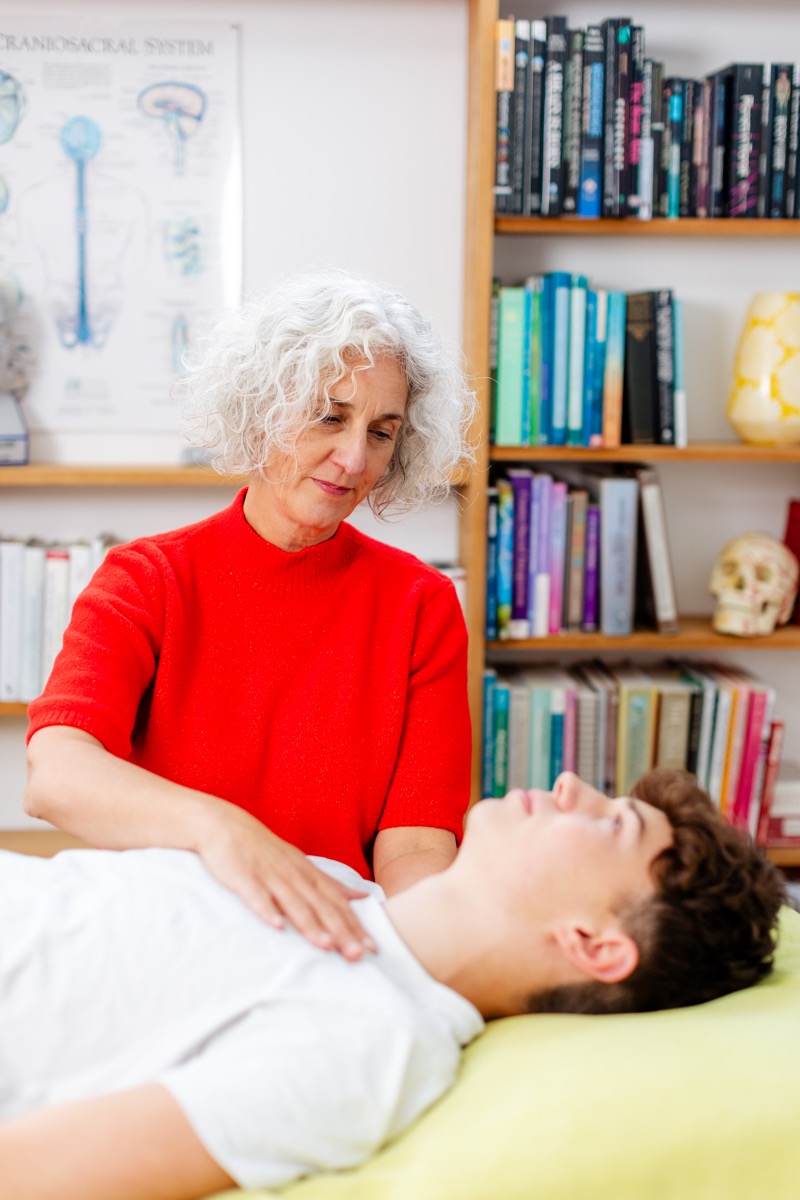
A trained practitioner begins by assessing the body. The body leads, in a sense; the practitioner follows.
Why it seems so useful after concussion is the extra focus we put on what we call the craniosacral system: the cranial base, the atlas and axis (the top two vertebrae), the fascial sleeve around the spinal cord, the neck and the brain, and the wider connective tissue system. Releasing the soft tissue tensions that compress and distort the structures generating those faulty signals is where symptoms can change.
Many people notice things like a feeling of warmth, a sense of release, shifts in breathing during a session. And many have further changes in the days that follow, as the nervous system keeps processing what was started in the session.
There's also an emotional dimension, often the part that's hardest to talk about. The shock of the impact. The grief of not being able to do the things that used to define you. In a lot of people with persistent PCS, that sits alongside the headaches and the fog. Dr Upledger developed a technique for it, called SomatoEmotional Release. Not talking therapy, but staying present with what the nervous system is still holding… while it lets go of what it couldn't at the time.
What we promise -and what we don't
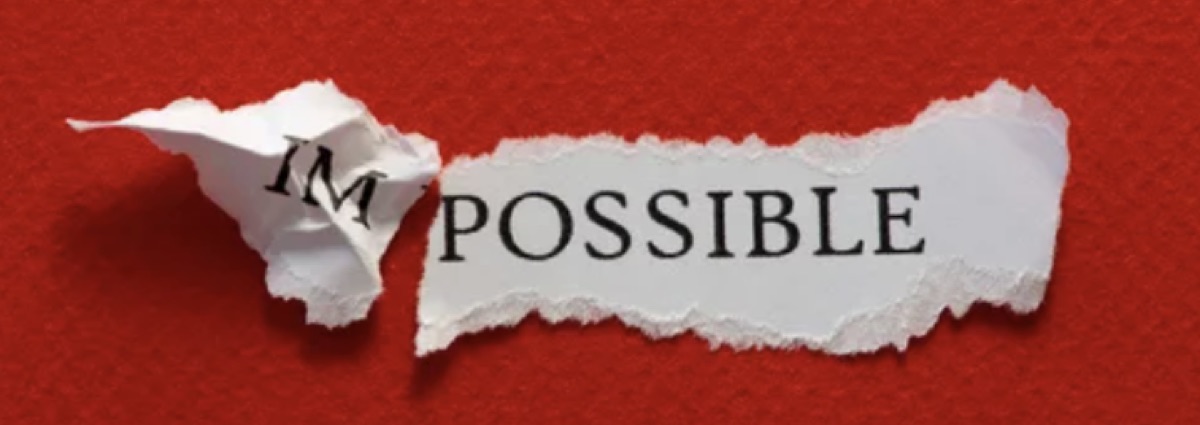
CST practitioners are trained to follow your body's lead. We have a trust in the process and possibilities of healing. Many of us have seen extraordinary things occur during and after CST work. Dr Upledger used to say: 'if you don't know that something is impossible, anything can happen'.
So we refrain from promising specific outcomes - we just can't know. What we do promise is to work gently and respectfully with your body, and help you re-find some relaxation, and from there some resources so your body can do more of the healing itself. With long term PCS that's unlikely to happen overnight, or from one session. But the improvements we see are cumulative, and they usually hold.
Many clients say that our approach surprises them because it's the first time they've been looked at, and treated, as a whole person rather than in a symptom-specific way - and they like that.
For significant or long-standing PCS, the multi-day, multi-practitioner intensive format (running in November in the UK) can jump start healing, or give you time to go deeper into what has contributed to where you are now. That's what happened in the 2015 programme with retired NFL footballers, which produced statistically significant results in the published research.
This is why we are continuing to develop this work and want people to know that it is available.
And why we feel CST belongs in the concussion conversation.
Upledger CranioSacral Therapists
There are two levels of qualification: Techniques (CST-T) and Diplomate (CST-D)
You can find Upledger CranioSacral Therapy Practitioners in many parts of the country.
We have GPs, physiotherapists, osteopaths, chiropractors, dentists, massage therapists, psychotherapists, counsellors, nurses, midwives and many others who have trained with us.
Some are fully qualified and just use CST, many use it alongside their core therapies and other expertise. Some work or have worked in hospitals, in professional sports, in private practice, on our intensive programmes.
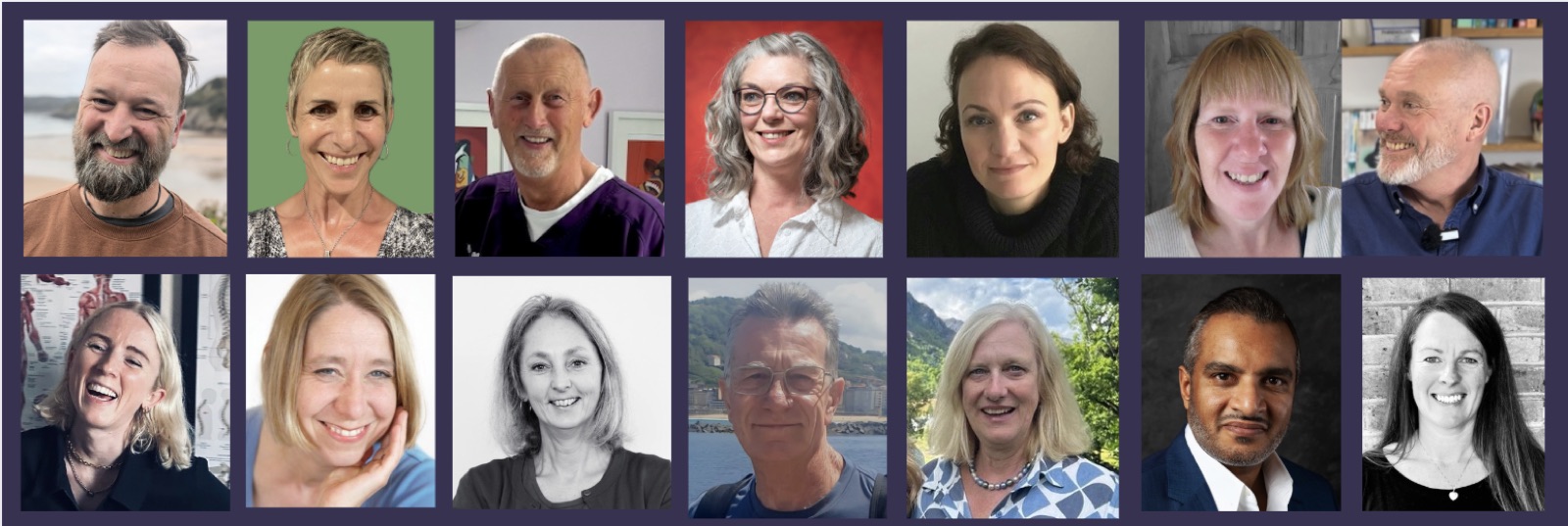
A number of our practitioners have had specific training to work with the brain, concussion injuries, the immune system, children and more. But we all have the same core foundations. We listen for the subtle signs in the body that tell us what might be needed to restore as much function as possible.
We have seen that CST has something to offer and believe that it has a place in healthcare.
We want the people who would benefit from it to know more about it.
If you have been unwell for months or years and the standard pathway has run out of things to offer, that might be you. What is there to loose by trying it out?